
Governance in project management isn’t just another corporate buzzword – it’s the strategic backbone that separates successful projects from total chaos.
What Is Governance In Project Management? Breaking It Down
Let me share something real with you. I’ve been knee-deep in project management for over a decade, and if there’s one thing I’ve learned, it’s that governance can make or break your entire project.
Governance in project management is essentially the framework of rules, practices, and processes that ensure your project runs smoothly, stays aligned with organisational goals, and delivers maximum value.
Why Governance Matters More Than You Think
Think of governance like the GPS for your project journey. Without it, you’re essentially driving blindfolded.
- Sets clear decision-making processes
- Manages project risks effectively
- Ensures accountability at every level
- Aligns project outcomes with strategic objectives
Key Components of Project Management Governance
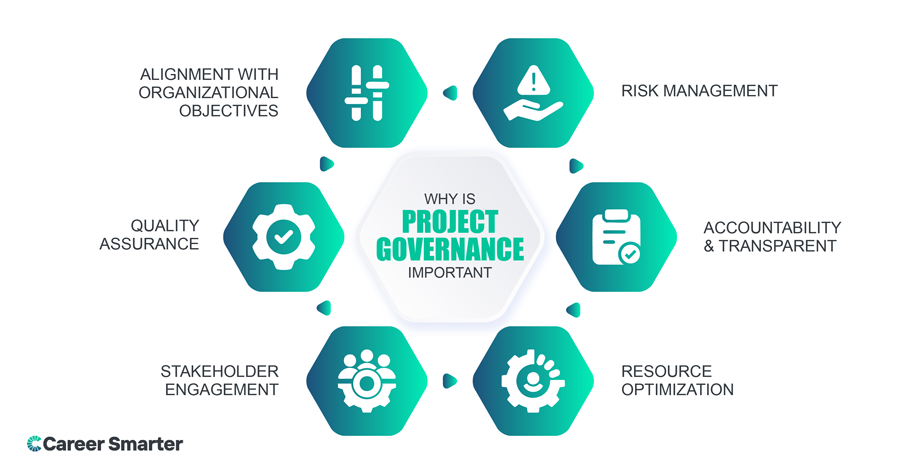
Breaking down governance into digestible chunks helps teams understand its real power. Here are the critical elements:
- Alignment with Organisational Objectives
- Quality Assurance
- Stakeholder Engagement
- Risk Management
- Accountability & Transparent
- Resource Optimisation
Real-World Governance in Action
Let me give you a practical example. In my years working with organisations like APMG and Axelos, I’ve seen governance transform projects from potential disasters to remarkable successes.
One tech company I consulted with implemented a robust governance model that:
- Reduced project overruns by 40%
- Improved stakeholder satisfaction
- Streamlined decision-making processes
The Dark Side of Poor Governance
Imagine sailing a ship without a compass. That’s what projects look like without proper governance.
Poor governance can lead to:
- Missed deadlines
- Budget blowouts
- Misaligned project objectives
- Decreased team morale
If you’re looking to level up your project management skills, understanding governance is crucial. Check out our project management courses to dive deeper.
Governance isn’t just a checkbox – it’s your project’s strategic lifeline.
Advanced Governance In Project Management: Mastering Strategic Control
Governance isn’t just a buzzword – it’s the strategic muscle that powers successful project execution.
Implementing Effective Governance: A Strategic Deep Dive
Ever wondered why some projects crush their objectives while others crash and burn?
The secret sauce is sophisticated governance.
Governance in Project Management: Advanced Frameworks
Professional project managers know governance isn’t about micromanaging – it’s about creating intelligent systems that:
- Predict potential roadblocks
- Enable rapid decision-making
- Maintain crystal-clear accountability
- Drive continuous improvement
Technology’s Role in Modern Project Governance
Digital tools have revolutionised how we approach governance.
Advanced project management software now allows teams to:
- Track real-time performance metrics
- Automate compliance checks
- Generate predictive risk assessments
- Create transparent reporting dashboards
Governance Maturity: Levelling Up Your Project Management
Imagine governance as your project’s immune system.
The more sophisticated it becomes, the more resilient your projects will be.
Governance Maturity Model: Key Stages
- Initial Stage: Ad-hoc processes, minimal structure
- Managed Stage: Basic frameworks implemented
- Defined Stage: Standardised governance processes
- Quantitatively Managed Stage: Data-driven governance
- Optimising Stage: Continuous improvement culture

Common Governance Challenges (And How To Crush Them)
Most project managers struggle with three core governance issues:
- Resistance to structured processes
- Inadequate stakeholder communication
- Misalignment with organisational strategy
Tactical Solutions for Governance Roadblocks
Pro tip: Communication is your ultimate governance superpower.
- Create transparent reporting mechanisms
- Develop clear escalation protocols
- Implement regular governance review sessions
- Foster a culture of collaborative accountability
The Future of Project Management Governance
Emerging technologies like AI and machine learning are transforming governance models.
Forward-thinking organisations are already leveraging:
- Predictive analytics
- Automated compliance tracking
- Real-time performance monitoring
- Intelligent risk assessment algorithms
Remember: Great governance isn’t about control – it’s about creating intelligent, adaptive project ecosystems.
Governance in project management isn’t just another checkbox – it’s the strategic heartbeat that separates world-class projects from mediocre attempts.
Navigating the Complexity of Project Governance: A Strategic Exploration
Ever wondered why some organisations consistently crush their project objectives while others struggle?
Cultural Dimensions of Effective Project Governance
Project governance goes way beyond spreadsheets and checklists. It’s about creating a cultural DNA that drives exceptional performance.
The Human Element of Governance
Real governance isn’t mechanical – it’s psychological.
- Builds trust across teams
- Creates psychological safety
- Empowers individual accountability
- Establishes clear communication channels
Strategic Communication in Project Governance
Communication isn’t just about talking – it’s about creating alignment.
Exceptional project governance requires:
- Transparent reporting mechanisms
- Regular stakeholder engagement
- Context-driven communication strategies
- Multi-level feedback loops
Communication Framework Development
Pro tip: Develop a communication plan or protocols that adapt to different project phases and stakeholder needs.
- Create role-specific communication templates
- Establish escalation pathways
- Design visual reporting dashboards
- Implement cross-functional dialogue platforms
Risk Management Through Intelligent Governance
Governance isn’t about preventing risks – it’s about transforming them into strategic opportunities.
Risk Governance Strategies
- Predictive Risk Modelling
Use data analytics to forecast potential project disruptions before they occur.
- Adaptive Risk Frameworks
Design flexible governance structures that can pivot quickly.
- Collaborative Risk Assessment
Involve cross-functional teams in identifying and mitigating risks.
Technology’s Role in Modern Governance
Digital tools are revolutionising how we approach project governance.
Cutting-edge organisations are leveraging:
- AI-powered performance tracking
- Blockchain for transparent decision logs
- Machine learning risk prediction models
- Real-time collaboration platforms
Governance Skill Development
Want to become a governance maestro? Check out our internationally recognised project management courses designed to transform your strategic capabilities.
Frequently Asked Questions
What Defines Exceptional Project Governance?
Exceptional project governance combines strategic alignment, transparent communication, adaptive risk management, and a culture of continuous improvement.
How Can Organisations Improve Their Governance?
Start by assessing current processes, implementing clear communication protocols, investing in technology, and fostering a culture of accountability.
Is Governance Different Across Industries?
While core principles remain consistent, governance approaches vary based on industry complexity, regulatory environment, and organisational culture.
Remember: Governance isn’t a destination – it’s a strategic journey of continuous evolution and organisational learning.