
Is cybersecurity a good career? That is a question that is difficult to answer. The reason it is so difficult to answer is that there are so many factors that go into making a decision about whether cybersecurity is the right career for someone. Some of those factors include the person's interests, skills, and experience.
Another factor that is important to consider is the current job market for cybersecurity professionals. The Bureau of Labor Statistics reports that the job outlook for information security analysts is "excellent." That means that the demand for these professionals is high and is projected to continue to be high in the future.
Why is cybersecurity a good career?
Cybersecurity is a highly sought-after career due to the growing need for increased digital security. With cyber attacks on the rise and companies needing to protect confidential data, cybersecurity is an industry with plenty of potential for job growth and financial stability. As technology continues to become more advanced, companies are willing to pay top dollar for professionals with the necessary skills and certifications to keep their networks safe from malicious threats.
One of the main advantages of choosing a career in cybersecurity is that it is a rapidly growing field that is expected to have much higher than average growth over the next several years. According to the Bureau of Labor Statistics, employment opportunities in this field is projected to increase by 32% between 2019 and 2029 – significantly higher than the national average of 5%. This means that there will be more jobs available now and in the future so those interested in pursuing it will have plenty of chances to find employment.
Another benefit is that these positions usually come with competitive remuneration packages due to how important they are. Cybersecurity professionals can typically expect good starting salaries depending on their experience level, as well as regular performance bonuses or other forms of incentives such as health care benefits and stock options. This is especially true for those who possess specialised certifications such as Certified Information Systems Security Professional (CISSP) or Certified Ethical Hacker (CEH).
Finally, many cybersecurity roles also provide flexible working arrangements which can make them attractive for those who may not have time for traditional 9-to-5 work schedules or prefer working remotely. Many organisations offer contract-based or freelance positions which allow professionals even greater control over their careers and have potential for higher earning potential thanks to being able to select projects from multiple sources
With all that being said, is cybersecurity a good career? Absolutely! It's an excellent option for those who are looking for steady job prospects, good salaries, flexible working arrangements, and various rewards. Furthermore, it is an industry that is constantly evolving which means there will always be new challenges and opportunities waiting around every corner – making it both exciting and rewarding at the same time.
Why cybersecurity isn't a good career?
Cybersecurity is a field full of opportunity and can be extremely rewarding. However, there are also some potential drawbacks to consider when thinking about pursuing a career in this field. First is the amount of technical knowledge required. Cybersecurity is an ever-evolving field that is constantly changing and updating, which means that professionals must stay on top of the latest developments to remain effective. This can require long hours of learning and keeping up with new technologies and techniques. Additionally, those in cybersecurity must be prepared for the possibility of dealing with stressful or morally difficult situations such as investigating criminal activities or working on high-stakes projects involving sensitive information.
Another potential downside is the projected job growth rate within the field. According to the Bureau of Labor Statistics, computer security is only expected to grow at a rate of 12% between 2018 and 2028 – well below the overall national average growth rate for all jobs. Furthermore, due to its growing popularity and increasing demand, competition is likely to remain fierce when it comes to finding suitable employment opportunities in cybersecurity.
Finally, many positions within cybersecurity may require individuals to work long hours and/or in shifts which can disrupt work/life balance as well as lead to burnout over time. There is also often a great deal pressure associated with these types of roles since any mistakes could have potentially devastating consequences for both companies and individuals alike.
Overall, while cybersecurity is a good career filled with opportunity, it is important for any aspiring professionals considering this career path to weigh out all the pros and cons before making their decision. There are many challenges that come along with working in this industry but if someone is willing and able to dedicate themselves fully then they may find themselves well-rewarded for their efforts in the end.
Cybersecurity Career Paths
When considering is cybersecurity a good career, it is important to take stock of your own interests and skill set. Cybersecurity is an ever-evolving field and is rapidly becoming one of the most vital roles in the tech industry. Here are some of the most popular cybersecurity career paths.
1. Security Analyst
A Cybersecurity Analyst is responsible for monitoring a company's networks for any potential threats or malicious activity. They must have in-depth knowledge of cyber security principles, as well as strong problem solving skills and attention to detail. They must also be able to recognise potential vulnerabilities and take steps to mitigate them.
2. Penetration Tester
A Penetration Tester is someone who is hired by a company to simulate cyber attacks in order to test the strength of their security systems. This is done by attempting to gain unauthorised access into their system through various methods such as social engineering, scripting, or reverse engineering applications. Penetration testers must possess an extensive knowledge of different types of attack methods, as well as the ability to think strategically in order to anticipate possible security risks and develop countermeasures against them.
3. Network/Systems Administrator
A Network/Systems Administrator is responsible for maintaining and securing the computer networks within a business or organisation. This involves installing hardware, software and updates on computers, monitoring networks for potential threats or suspicious activity and troubleshooting any issues that may arise with the system. Network/systems administrators should possess strong technical skills in order to effectively manage complex networks and systems, as well as knowledge of network protocols such as TCP/IP and LAN (Local Area Network).
4. Cybersecurity Architect
A Cybersecurity Architect is someone who designs secure computer systems for organisations. Their primary focus is on creating secure digital architecture by researching current technologies, evaluating organisational requirements and planning detailed implementation strategies for projects related to cybersecurity defence measures such as identity management systems and firewall configurations. Cybersecurity architects must possess excellent problem-solving skills in addition to having an understanding of different programming languages such as Java and C++ to create robust security solutions tailored towards each client’s unique needs.
5. Malware Analyst/Reverse Engineer
As the name suggests, malware analysts specialise in analysing malicious software programs known as “malware” which are designed specifically with malicious intent such as data theft or damaging computer systems.. In order to analyse these programs effectively they must first carefully examine them using techniques known as “reverse engineering” where they take apart code line by line until they understand how it works so they can determine its purpose before deciding what action should be taken against it if necessary.. Malware analysts need both advanced technical know-how, and the ability to think outside the box when tackling difficult problems related to malware analysis.
Do Cybersecurity professionals earn good money?
Yes, Cybersecurity is a profession that is very lucrative for those skilled in the field. The average salary for a Cybersecurity salary is over £50,000 per year and is expected to grow even more as the need for increased digital security continues to rise. The most experienced professionals can make upwards of six figures or more depending on their level of expertise and experience.
In addition to the base salary, many cybersecurity professionals also receive additional incentives such as bonuses, stock options, health care benefits and other perks. These extra benefits vary by company but are typically offered to attract top talent in this highly competitive field. Some companies may even provide additional training opportunities to help employees stay up-to-date with industry trends and stay ahead of any potential threats.
The demand for qualified cybersecurity personnel is only increasing as data breaches become more frequent and cyber attacks become more sophisticated. Companies are now having to invest heavily into developing robust security solutions which includes hiring qualified professionals who they can trust with sensitive information. This is why many organisations are willing to pay premium salaries in order to recruit the best of the best when it comes to cybersecurity personnel.
Finally, there is also an ever-growing demand for freelance or contract-based cybersecurity specialists, allowing them to have greater control over their career path and potentially earn even higher salaries by picking where they want work on short-term projects. This is becoming increasingly attractive for those looking for flexibility or wanting to work from home but still be able to take advantage of working in this fast growing industry.
Certifications for your Cybersecurity career
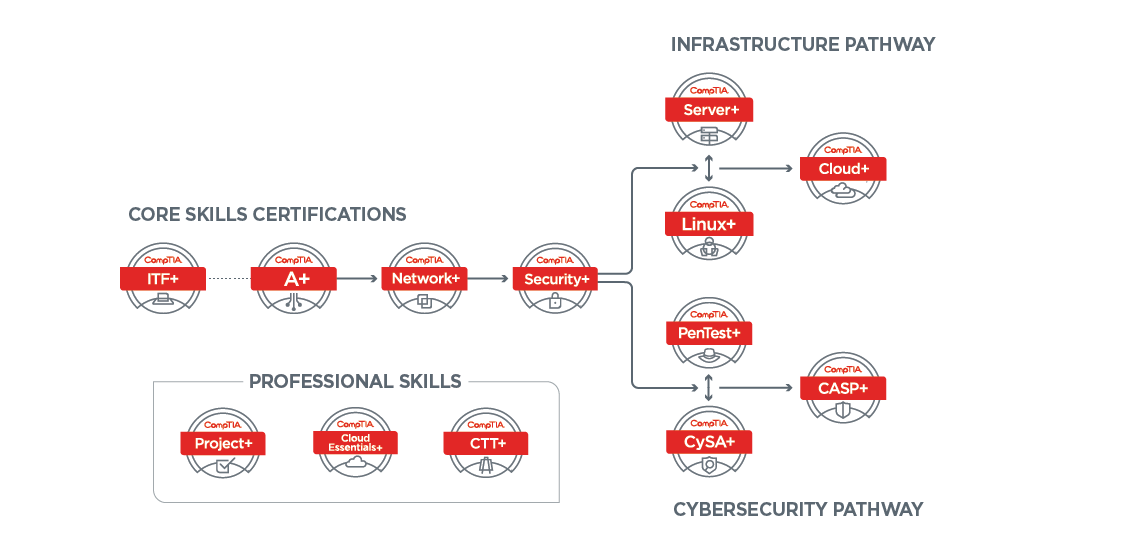
Certifications available for Cybersecurity professionals include the Certified Information Systems Security Professional (CISSP), Certified Ethical Hacker (CEH), and Penetration Tester (Pentester) and the professional CompTIA Cybersecurity pathway of certifications.
Our conclusion
So, is cybersecurity a good career? Yes, cybersecurity is a great career for those who are looking for job security, good salaries, and plenty of opportunities for growth. With the increasing number of cyber attacks, companies require professionals who have the necessary skills to protect their networks. This is an industry that is constantly evolving, which means there will always be new challenges and opportunities waiting around every corner. So if you're interested in pursuing cybersecurity courses for beginners, now is definitely the time to get learning.